农历: 丙午年 十月十二
宜: 祈福 · 栽种 (Plant) · 纳财 · 修造
忌: 安葬 · 开仓
🌿 "宜栽种" — Planting day! Plants are Wood element — they represent growth, vitality, and upward energy. In winter's stillness, indoor plants are your home's life force.
In Five Element theory, Water generates Wood (水生木). Winter's Water energy naturally feeds plant growth indoors. This makes winter plants especially powerful — they're drawing from the season's dominant energy to create living vitality in your space. October's plants were still coasting on autumn's residual warmth; by late November, heating systems are running constantly and daylight has thinned, so the plants that thrive now need real climate adaptation, not just a hopeful spot near a window.
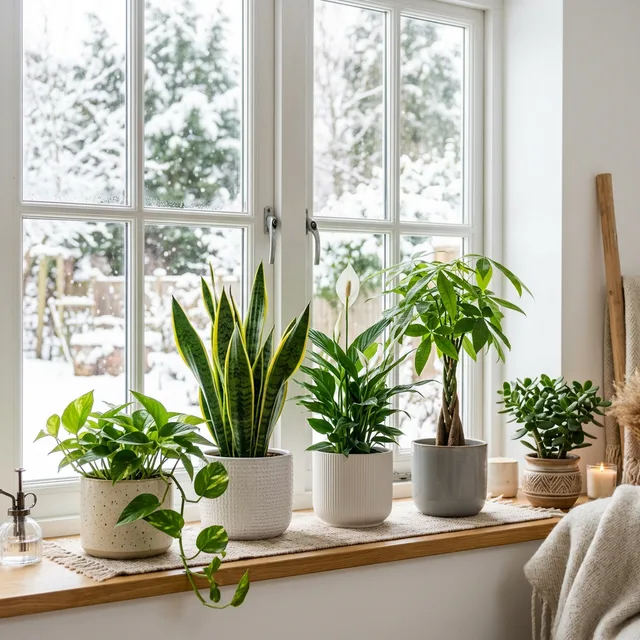
5 Best Winter Houseplants
| Plant | FS Benefit | Room |
|---|---|---|
| 💰 Jade plant (玉树) | Round succulent leaves = coins. Wealth symbolism. Stores water = stores wealth. Low maintenance, thrives in winter indoor conditions. | Wealth corner, office desk, entryway. SE sector. |
| 🐍 Snake plant (虎皮兰) | Sword-shaped leaves point upward = protective energy. Converts CO2 to O2 at night. The "guardian" plant. NASA-proven air purifier. | Bedroom (nighttime O2), bathroom (humidity-tolerant), entryway (protection). |
| 💚 Pothos (绿萝) | Cascading vines = flowing prosperity. Nearly unkillable. Removes formaldehyde and benzene from indoor air. The "starter" feng shui plant. | Kitchen, bathroom, office. Anywhere that needs life + air purification. |
| 🌳 Rubber plant (橡皮树) | Large, glossy round leaves = stability + abundance. Strong presence. Thick, dark leaves = Water element affinity = thrives in winter season. | Living room (statement piece), office (stability energy). |
| ☮️ Peace lily (白掌) | White flowers = Metal element = purity + clarity. Blooms in low light. Excellent air purifier. Brings gentle, calming energy to any space. | Bedroom (calming), bathroom (loves humidity), study (clarity). |
💡 Winter plant care: Reduce watering (roots rot in cold, wet soil). Move away from drafty windows. Group plants together (creates microclimate). Wipe leaves monthly (dust blocks photosynthesis). No fertilizer in winter (dormancy period). Remove dead leaves immediately (dead matter = dead energy).
Adapting to Heated, Dry Indoor Air
The biggest change from October to November isn't the plant — it's the room. Forced-air heating drops indoor humidity well below what most houseplants evolved for, and it does so right as the plant is trying to slow down for dormancy. Three adjustments matter most: keep pots at least 30cm from radiators and heating vents (direct hot, dry air scorches leaf edges faster than cold ever would); set pots on a pebble tray with water below the pot's base so evaporation raises local humidity without waterlogging roots; and water with room-temperature water, never straight from a cold tap, since cold water shocks roots that are already running a slower metabolism.
Winter Plant Care Protocol
| # | Task | Frequency & Why |
|---|---|---|
| 1 | Finger-test soil before watering | Push a finger 3-4cm into soil. Water only if dry at that depth. Winter dormancy means roots drink far less — watering on a fixed calendar schedule (like summer) drowns them. |
| 2 | Rotate toward the light source | Quarter-turn weekly. Winter sun angle is low and one-directional; without rotation, growth leans hard toward the window and the shaded side thins out. |
| 3 | Wipe leaves with a damp cloth | Monthly. Dust layers block photosynthesis at the exact time light is already scarce — a dusty leaf in November is doing far less work than a clean one. |
| 4 | Check for pests weekly | Spider mites and mealybugs thrive in the same warm, dry heated air that stresses the plant. Check leaf undersides — early infestations are easy to wipe off; established ones are not. |
| 5 | Hold all fertilizer | Resume only when spring growth restarts. Feeding a dormant plant pushes weak, leggy growth it can't yet support. |
Most tropical houseplants prefer 40-60% relative humidity; heated homes in winter often sit closer to 20-30%. A pebble tray raises the air immediately around the pot by several points — enough to matter for jade plant and pothos — but a snake plant or rubber plant tolerates dry heated air far better than a peace lily, so if you can only manage one humidity setup, give it to the peace lily first.
Common Winter Plant Mistakes
| Mistake | Why It Backfires |
|---|---|
| Watering on the same summer schedule | The #1 winter houseplant killer. Slower metabolism + less light means roots sit in wet soil far longer, inviting root rot. |
| Leaving leaves touching a cold window pane overnight | Nighttime glass temperature can drop well below room temperature — leaf tissue touching it can suffer cold damage even indoors. |
| Fertilizing "just in case" | Forces growth the plant can't support in low winter light, resulting in pale, weak new leaves. |
| Ignoring dead or yellowing leaves | Beyond the feng shui "dead energy" read, decaying leaf matter in a pot invites fungus gnats and mold in already-humid pebble trays. |
| Crowding too many plants with no airflow | Grouping helps humidity, but zero airflow between pots encourages fungal issues — leave a hand's width between each plant. |
Frequently Asked Questions
Better to wait until spring growth resumes. Repotting disturbs roots right when the plant has the least energy to recover; propagated cuttings also root far more slowly in low winter light.
A few lower leaves yellowing and dropping is normal winter shedding. Yellowing across many leaves at once, especially with soggy soil, usually points to overwatering rather than the season.
For the plants on this list, a few hours of bright indirect light is usually enough to hold them through winter without active growth. If a room gets almost no daylight at all, a simple full-spectrum grow light on a timer for 8-10 hours keeps the plant stable until spring.
Snake plant, pothos, and peace lily are mildly toxic if chewed by cats or dogs. Jade plant is also toxic to pets. If pets have access to the room, keep these on high shelves or choose pet-safe alternatives instead.
Prioritize light first — a wealth-corner jade plant that's slowly dying from darkness helps no one. Use the room guide above as a starting menu, then within that room choose the actual brightest spot available, even if it's not the exact bagua corner. For a full room-by-room mapping method, see our Bagua map guide.
⚠️ Disclaimer: Indoor plants provide documented benefits: NASA's Clean Air Study confirmed air-purifying properties of snake plants, pothos, and peace lilies. Plants also reduce stress and improve mood (biophilia effect). The feng shui symbolism (jade plant = wealth coins) is a cultural interpretation. Plant placement won't directly generate income, but creating an intentional, living environment supports well-being and productivity. Some plants are toxic to pets — research pet safety before purchasing.
Home Plant Audit
Wrong plant in wrong spot = wasted or counter-productive energy. Your home's floor plan + your BaZi determines the perfect plant placement strategy for every room.
Book Plant Consult