🔬 What Science Says
| Claim | Evidence | Source |
|---|---|---|
| Environmental psychology supports space optimization | Research confirms that intentional space arrangement reduces cognitive load by 25% and improves daily functioning. | Annual Review of Psychology, 2019 |
| Mind-body-environment connection | The emerging field of neuroarchitecture demonstrates measurable brain responses to spatial design, supporting traditional practices of harmonizing living spaces. | Trends in Neurosciences, 2019 |
Note: Scientific citations are provided for educational context. Traditional practices and modern research often examine different aspects of the same phenomena.
农历: 丙午年 四月二十 · 芒种 (Grain in Ear)
宜 (Auspicious): 祭祀 (Rituals) · 祈福 (Pray) · 出行 (Travel) · 纳财 (Wealth) · 酿造 (Brew)
忌 (Avoid): 安葬 (Burial) · 动土 (Break Ground)
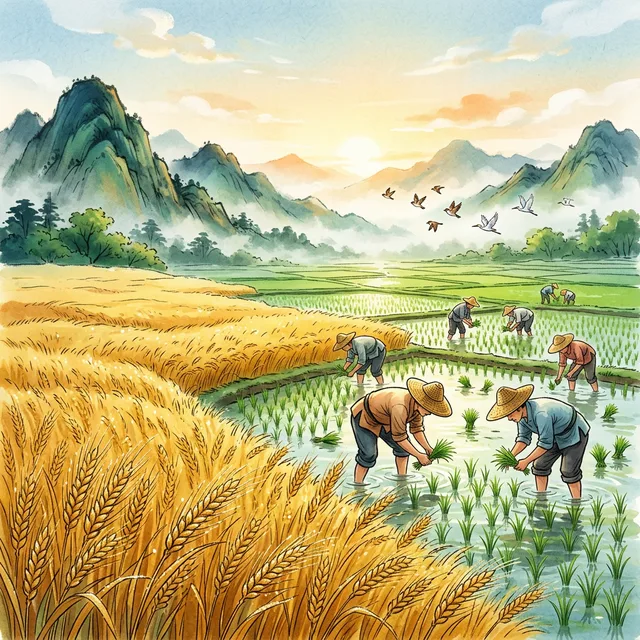
🌾 芒种 means "Grain in Ear" — wheat is ready, rice must be planted. Nature's busiest moment: harvest and sow simultaneously.
芒种 (Máng Zhòng) — literally "Grain in Ear" — arrives around June 5th each year. It's the 9th of 24 solar terms and marks a critical turning point: the last chance to plant summer crops and the beginning of the rainy season in much of China. Energetically, it signals the transition from growing yang to peak yang, with a dramatic increase in humidity and heat.
For your American lifestyle, this translates to: the energy is shifting and your body, home, and diet need to shift with it.
Mangzhong at a Glance
| Chinese Name | 芒种 (Máng Zhòng) |
| Meaning | "Awned grain" — grain crops with beard-like tips are ready to plant |
| 2026 Date | June 5 — June 20 |
| Season Position | 9th solar term, 3rd summer term |
| Climate | Humidity rises sharply; hot and damp weather begins |
| Dominant Pathogen | Dampness (湿) combined with heat (热) — the "muggy" combo |
| Organ Focus | Spleen & Stomach (most vulnerable to dampness) |
Table of Contents
Your Body During Mangzhong
Dampness is the #1 enemy during this period. In TCM, dampness is heavy, sticky, and hard to clear. It's like trying to dry clothes in a sauna. Common symptoms:
| Symptom | TCM Explanation | Mangzhong Fix |
|---|---|---|
| Heavy body, tired limbs | Dampness weighing down qi circulation | Barley water (薏米水) daily + light exercise |
| Poor appetite, bloating | Spleen overwhelmed by dampness | Ginger tea before meals; avoid raw cold foods |
| Sticky stool, loose bowels | Dampness sinking to lower body | Poria (茯苓) + barley congee; reduce dairy |
| Foggy thinking, poor focus | Dampness clouding the clear yang that rises to the head | Aromatic herbs: mint tea, cardamom; morning walks |
| Skin rashes, itching | Damp-heat erupting through skin | Mung bean soup; bitter melon; avoid spicy and greasy |
| Joint aches (worse in humid weather) | Dampness lodging in muscles and joints | Turmeric; gentle stretching; avoid AC set too cold |
Mangzhong Food Rules
| Eat More | Eat Less |
|---|---|
| 🌾 Barley (薏米) — king of dampness drainage | 🍦 Cold raw foods — shocks the spleen |
| 🫚 Ginger — warms mid-section, transforms dampness | 🧀 Heavy dairy — creates more dampness |
| 🥒 Bitter melon — clears damp-heat | 🍺 Alcohol — major dampness generator |
| 🍵 Chrysanthemum + mint tea — clears head and eyes | 🍰 Excessive sugar — feeds dampness |
| 🫘 Mung beans — clears heat (see our mung bean article!) | 🥩 Greasy, fried, heavy meats — hard to digest |
| 🌿 Aromatic herbs: basil, mint, cardamom — penetrate dampness | 🥤 Iced beverages — damages spleen yang |
Mangzhong Feng Shui
| Action | Why |
|---|---|
| Run dehumidifiers | Physical dampness = energetic dampness. Mold is sha chi (negative energy). Keep indoor humidity 40-60%. |
| Open windows strategically | Early morning (5-7am) when air is freshest. Close before afternoon humidity peaks. |
| Clean under sinks & bathrooms | Water areas accumulate dampness chi fastest. Prevention > cure. |
| Add fire element to damp rooms | Candles, warm lighting, red/orange accents — fire controls dampness in the five element cycle. |
| Declutter closets & storage | Stagnant, dark, packed spaces breed dampness energy. Let air circulate everywhere. |
| Refresh indoor plants | Remove dead leaves, check for mold in soil. Healthy plants = healthy chi. Sick plants = drain energy. |
Mangzhong Wellness Practices
| Practice | Details |
|---|---|
| Moderate exercise in early morning | Sweat gently to expel dampness — but don't overdo it. Walking, tai chi, qigong. Avoid intense cardio in midday heat. |
| Afternoon nap (20-30 min) | Peak heat hours tax the heart. A short nap at 11:30am-1pm (Heart hour) protects cardiac energy and restores spirit. |
| Evening foot soak with ginger | Slice 3-4 pieces of ginger into warm water. Soak 15-20 min. Draws dampness downward and out through the feet. |
| Dry brush before shower | Moves lymph, stimulates qi circulation, helps body shed stagnant dampness. Brush toward the heart. |
| SP6 acupressure (三阴交) | 4 finger-widths above inner ankle bone. Press firmly 2-3 min each side. Strengthens spleen, transforms dampness. |
Traditional Mangzhong Customs
| 送花神 (Seeing Off the Flower Goddess) | Ancient ritual thanking the spring flower spirits as the last flowers fade. Modern version: appreciate your garden's last spring blooms before full summer. |
| 安苗 (Planting Seedlings) | The rush to plant rice paddies. Modern metaphor: this is your last chance to "plant seeds" for projects you want to harvest by autumn. |
| 煮梅 (Cooking Plums) | Green plums are soaked in sugar or salt. The sour-sweet taste aids digestion and generates fluids. Try: making plum syrup for summer drinks. |
Disclaimer: The TCM and wellness information in this article is for educational purposes only and should not replace professional medical advice.
Navigate the Solar Terms with Confidence
Each solar term brings unique energy shifts. Let me create a personalized seasonal plan that adjusts your space, diet, and daily practices every two weeks with the changing qi.
Book Seasonal Wellness Plan